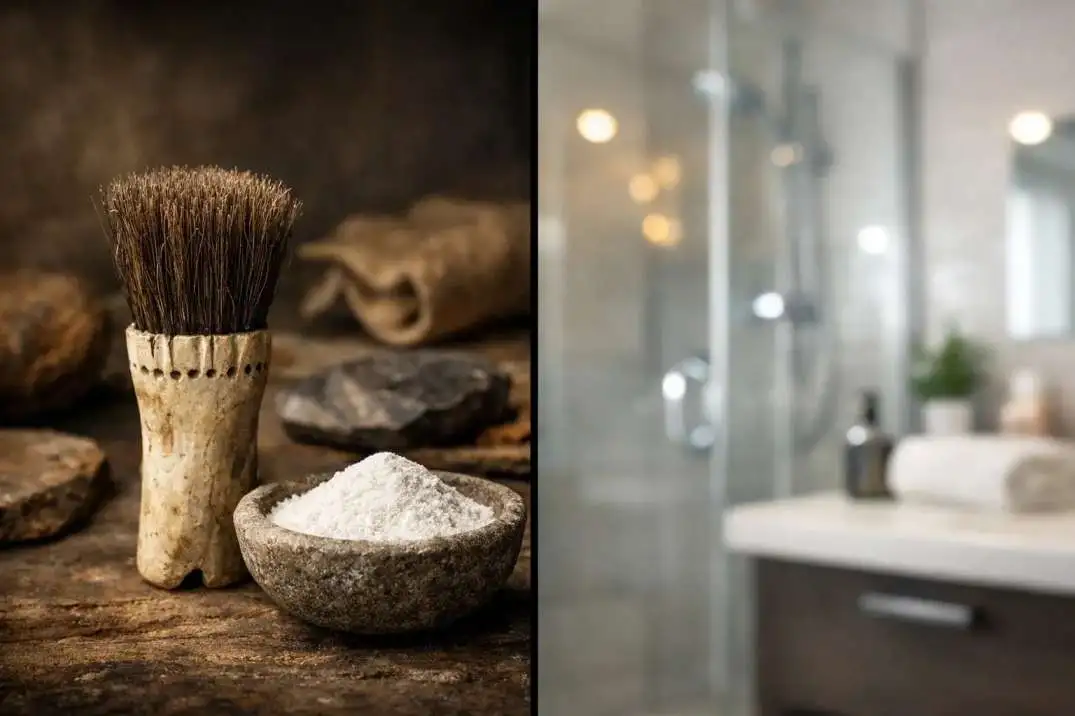
The history of dental hygiene is a long and winding journey that stretches back to the very beginnings of civilization. Long before the modern convenience of minty gels and plastic tubes, humans recognized that keeping the mouth clean was vital for health and comfort. Understanding how did people brush their teeth before toothpaste helps us appreciate the clever ways our ancestors utilized the natural world to protect their smiles. From the sands of Egypt to the royal courts of China, the methods were diverse, often abrasive, and surprisingly resourceful.
Oral care has always been a priority, even if the tools used were vastly different from what we see in a local pharmacy today. Ancient people did not have the luxury of fluoride or synthetic bristles, yet they managed to find ingredients that offered antimicrobial benefits and physical cleaning power. By looking into these historical practices, we see a global commitment to hygiene that paved the way for modern dentistry. This detailed guide will guide you through the various eras and regions to see exactly how the world stayed clean before the Industrial Revolution.
The Ancient Egyptian Approach to Oral Care
The Egyptians are often credited with creating some of the earliest recorded dental cleaning agents in human history. As early as 5000 BC, they were experimenting with various substances to ensure their teeth remained white and their breath stayed fresh.
Crushed Eggshells and Pumice
Ancient Egyptians combined crushed eggshells with volcanic pumice to create a very gritty powder for scrubbing. The sharpness of the eggshells served as a physical abrasive to scrape away food particles from the enamel. Mixing these with pumice allowed them to polish the surface of the teeth during their daily cleaning routines. This early mixture proves that they understood the mechanical necessity of friction to keep the mouth healthy.
Read Also: What Did People Eat for Breakfast 200 Years Ago
The Use of Myrrh and Herbal Pastes
Beyond simple abrasives, the Egyptians also incorporated resins like myrrh to add a medicinal quality to their powders. Myrrh was valued for its natural antiseptic properties, which helped reduce the growth of bacteria inside the mouth. They often mixed these powders with honey or water to create a thick paste that was easier to apply. This combination ensured that the cleaning process was not just about scrubbing but also about maintaining gum health.
Roman and Greek Innovations in Dental Hygiene
The Greeks and Romans took dental aesthetics very seriously, often associating white teeth with high social status and health. Their methods were notably more intense than those of their predecessors, focusing on heavy-duty abrasives.
Crushed Bones and Oyster Shells
Romans frequently used crushed bones and oyster shells as a primary ingredient in their dental powders. These materials provided a high level of calcium carbonate, which helped in whitening the teeth through physical wear. By grinding these items into a fine dust, they could effectively lift deep-set stains from the surface of the tooth. This method was particularly popular among the elite who wanted to maintain a bright, noticeable smile in public.
Salt and Bark Mixtures
In addition to shells, many Greeks used a combination of salt and herbal bark to rub against their gums and teeth. Salt acted as a natural disinfectant while also providing additional grit to help remove stubborn plaque. The bark from specific trees was often chewed first to release natural oils that freshened the breath instantly. This portable method allowed soldiers and travelers to maintain their hygiene while they were away from home.
The Global Legacy of the Miswak and Chew Sticks
In many parts of the world, especially in Africa, the Middle East, and South Asia, people relied on nature’s own toothbrush: the chew stick. The most famous of these is the Miswak, which is still widely used in many cultures today for its efficiency.
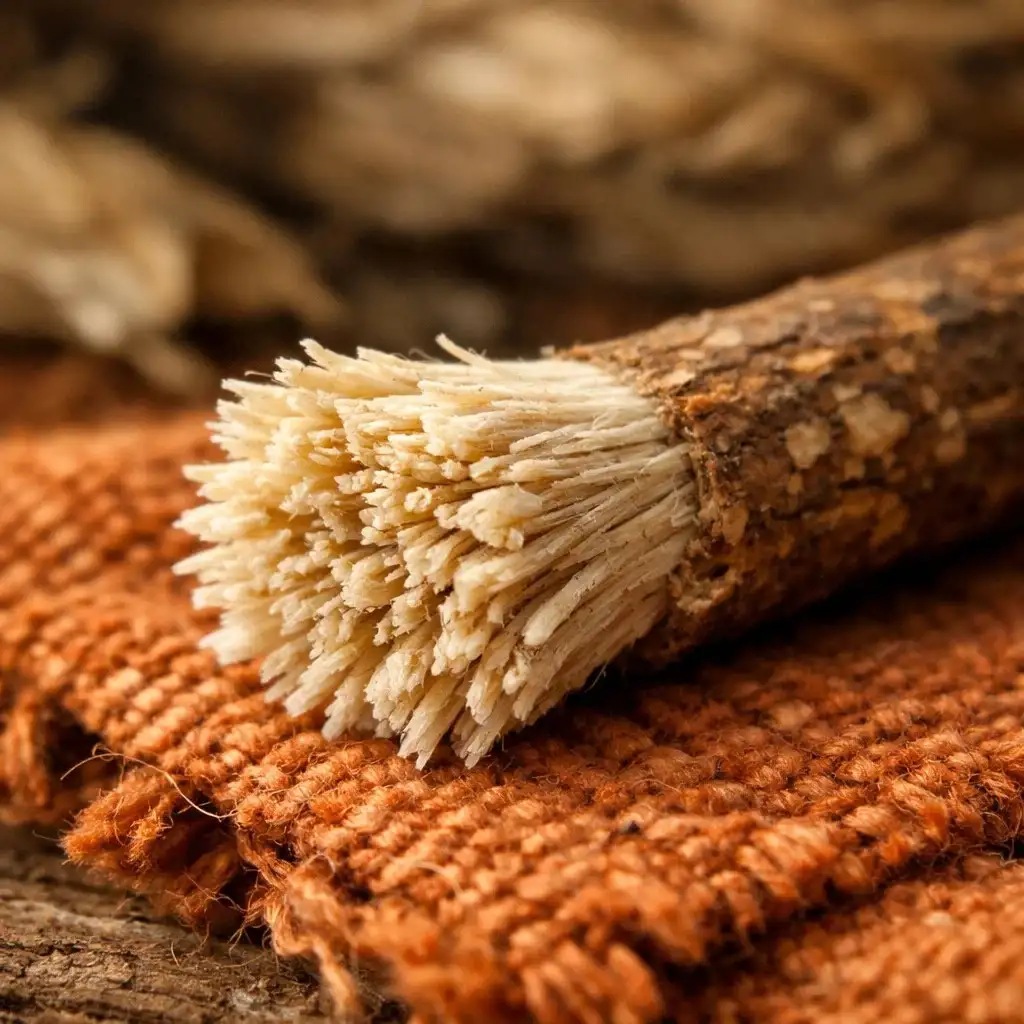
The Arak Tree (Salvadora persica)
The Miswak is a twig taken from the Salvadora persica tree, known for its high concentration of natural minerals. When the end of the twig is chewed, the fibers fray out to create a functional, brush-like tool for cleaning. The wood itself contains natural silica and vitamin C, which strengthen the enamel and protect the gums from disease. It represents one of the most successful and sustainable dental tools ever used by human civilizations across history.
Neem Twigs in Ancient India
In the Indian subcontinent, twigs from the Neem tree were the preferred choice for maintaining oral hygiene for centuries. Neem is famous for its powerful antibacterial and antifungal properties that naturally fight off oral infections. By chewing the twig, people released bitter juices that acted as a natural mouthwash to kill harmful germs. This practice was so effective that many modern toothpaste brands now include Neem extracts in their contemporary formulas.
Chinese Contributions: The First True Brushes
The transition from simple sticks to tools that look like modern brushes began in China. They were among the first to realize that a handle with attached bristles offered much better reach and cleaning power.
Boar Bristle Brushes
In the late 15th century, the Chinese invented a brush featuring stiff hairs from the necks of cold-climate boars. These hairs were attached to handles made of bamboo or bone, creating a design very similar to what we use today. The stiffness of the boar hair was ideal for reaching deep into the crevices between teeth to remove debris. This invention marked a significant turning point in the evolution of dental tools by prioritizing ergonomics and efficiency.
Herbal Infusions and Flavored Pastes
The Chinese also pioneered the use of herbal infusions like ginseng and mint to improve the flavor of their cleaning rituals. They would often dip their boar bristle brushes into these herbal mixtures to leave a refreshing scent in the mouth. By adding these ingredients, they transformed a chore into a more pleasant sensory experience for the user. Their focus on herbal medicine ensured that their dental care routines also provided holistic health benefits for the body.
Medieval Europe and the “Clean Cloth” Method
During the Middle Ages in Europe, the focus on dental care shifted slightly toward simpler, more accessible household items. While the elite had access to specialized powders, the common person relied on basic materials found in the home.
Linen Cloths and Salt Rubs
Most people in medieval Europe used a piece of rough linen cloth to wipe down their teeth every morning. The texture of the linen was sufficient to remove the daily buildup of film and food particles from the enamel. They would often dip the cloth in a mixture of salt or vinegar to increase the cleaning power of the wipe. This routine was simple but effective enough to prevent the rapid decay of teeth for those with a standard diet.
Sage and Rosemary Rubs
Sage leaves were frequently used by Europeans as a natural way to clean the teeth and soothe the gums. Individuals would rub a fresh sage leaf directly against their teeth to utilize the plant’s natural oils and friction. The pleasant scent of the sage helped to mask bad breath, which was a common issue during this era. Rosemary was also used in a similar fashion, often boiled in water to create a basic rinse for the mouth.
The Rise of Industrial Tooth Powders
As the world moved toward the 18th and 19th centuries, dental care became more commercialized. Potters and chemists began to manufacture powders that were sold in ceramic jars, marking the start of the modern dental industry.
Burned Bread and Toast
Surprisingly, many 18th-century recipes for tooth powder called for the use of heavily burned bread or toast. The carbonized remains of the bread acted similarly to charcoal, providing a mild abrasive for cleaning. People would grind the charcoal-like bread into a fine dust and apply it with a wet cloth or early brush. It was a cheap and accessible way for the working class to maintain a level of cleanliness without expensive chemicals.
The Use of Chalk and Soap
By the mid-1800s, manufacturers began adding ingredients like chalk and pulverized soap to their dental powders. The chalk provided a gentle abrasive that was less damaging to the enamel than the crushed shells of the past. Adding soap created a foaming action that helped to lift particles away from the gums more effectively. This was the direct predecessor to the creamy consistency we recognize in modern toothpaste products today.
Borax and Alum
Victorian-era chemists often included borax and alum in their specialized tooth cleaning formulas for the public. Borax was used as a cleaning agent and a preservative to keep the powders from spoiling over time. Alum acted as an astringent, helping to tighten the gums and prevent them from bleeding during the scrubbing process. These chemical additions showed a growing scientific interest in the health of the entire oral cavity, not just the teeth.
Common Ingredients Used Throughout History
When we look back at how did people brush their teeth before toothpaste, several recurring ingredients appear across different cultures. These substances were chosen because they were available, effective, and relatively safe for use in the mouth.
Charcoal and Soot
Charcoal has been a staple of dental care for millennia due to its incredible ability to absorb toxins and odors. Whether derived from wood or burned food, the fine black powder was excellent at lifting surface stains. Even though it made the mouth look dark during the process, the results were often noticeably whiter teeth. Today, charcoal has seen a resurgence in modern dental products as a natural whitening alternative.
Baking Soda (Bicarbonate of Soda)
Baking soda became a revolutionary ingredient in the 19th century because of its mild abrasive nature and high pH. It worked to neutralize the acids in the mouth that lead to tooth decay and bad breath. Many families would simply keep a box of baking soda near their washbasin to use as a standalone cleaner. Because it was inexpensive and highly effective, it remained a favorite even after commercial pastes were invented.
Sea Salt
Sea salt was perhaps the most universal dental cleaner because of its abundance and natural preservative qualities. The grains provided the necessary friction to scrub the teeth, while the minerals supported gum health. People often dissolved salt in warm water to create a simple yet powerful antibacterial rinse for the mouth. Its ability to draw out moisture also helped in reducing swelling or infection in the gums for ancient users.
Why Historical Dental Health Matters Today
Checking these ancient methods shows us that the desire for a clean mouth is a fundamental human trait. While the technology has improved, the basic principles of abrasion, disinfection, and breath freshening have remained the same for thousands of years.
The transition from crushed shells to the smooth, fluoride-enriched pastes of today represents a massive leap in safety and comfort. However, the success of tools like the Miswak reminds us that natural solutions can be incredibly powerful. By looking at how our ancestors managed their hygiene, we gain a better perspective on the importance of consistency in our own routines. History proves that whether you are using a boar bristle brush or a high-tech electric one, the goal of a healthy smile is a timeless pursuit.
The next time you squeeze a bit of toothpaste onto your brush, remember the long history of eggshells, charcoal, and twigs that came before it. Each of these steps was a necessary part of the journey toward the dental health we enjoy today. Our ancestors did the best they could with the tools at hand, and their ingenuity is the reason we have such a deep understanding of oral care in the modern world.
What part of ancient dental history surprises you the most?
FAQs About Historical Dental Care
How did people brush their teeth before toothpaste?
Ancient civilizations used natural abrasives like crushed eggshells, oyster shells, and charcoal. These powders were often rubbed onto the teeth using linen cloths or fingers to scrub away plaque.
What were the first toothbrushes made of?
Early “brushes” were actually chew sticks, like the Miswak, made from salvadora persica twigs. Later, in the 15th century, the Chinese developed brushes using stiff boar bristles attached to bamboo or bone handles.
Did people use chemicals for oral hygiene in the past?
Before mass-produced pastes, people often used salt, soot, or baking soda. By the 1800s, powders containing chalk or soap became common, eventually leading to the creamy textures we use today.
Why did ancient Romans use oyster shells?
The Romans valued the abrasive quality of crushed shells and bones to physically scrape food particles off their teeth, often mixing them with honey or herbs to improve the taste and breath.