🧴 Quick Facts — The History of Shampoo
| 📌 Fact | 📖 Detail |
|---|---|
| 👤 Inventor | Sake Dean Mahomed (credited with introducing shampoo to the Western world) |
| ⏳ Year | 1814 (first commercial shampoo “Shampooing” bath in Brighton, England) |
| 🌍 Country of Origin | India (practice originated c. 1500s); popularized in Britain in the 1800s |
| 💡 Fun Fact | The word “shampoo” comes from the Hindi word chāmpo, meaning “to press” or “knead” |
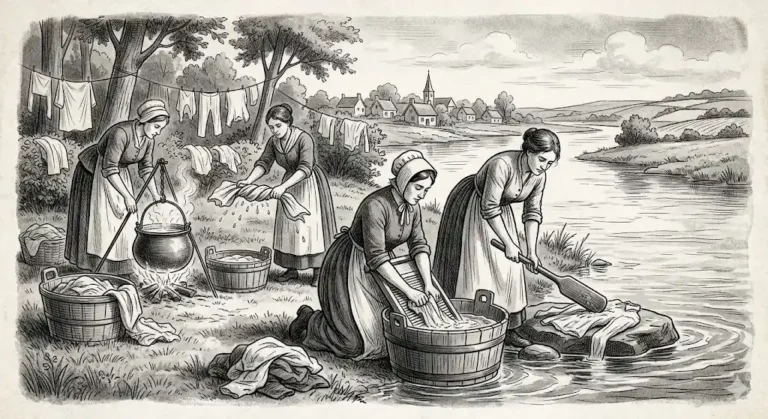
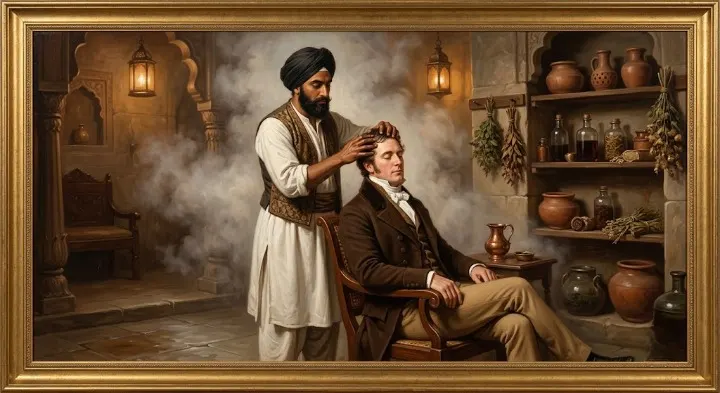
Imagine walking through the foggy, soot-choked streets of Georgian London, where the average person reeks of stale sweat and mutton fat. People rarely washed their hair, and when they did, they scraped their scalps with harsh lye soap that left a dull, sticky gray film. But in 1814, a fascinating Bengali traveler opened a luxurious bathhouse in Brighton and changed European hygiene forever. He introduced a warm, vaporous treatment infused with Indian herbs that left British high society completely spellbound. Within a few years, he’s been appointed “Shampooing Surgeon” to not one but two British kings: George IV and William IV.
This brings us to the question millions ask today: Who invented shampoo? While the ancient people of India practiced the art of hair washing for millennia using natural fruit extracts, a man named Sake Dean Mahomed first introduced the concept and the word to the Western world. Later, German chemist Hans Schwarzkopf revolutionized the practice by inventing the first powdered and liquid formulas we would recognize today.
The Origins of Shampoo — Where It All Began
Long before bottles lined supermarket shelves, human beings struggled with greasy, itchy scalps. Ancient hair washing was less about beauty and more about basic survival and comfort. In ancient India, people boiled a mix of dried soapberries, gooseberries, and hibiscus flowers to create a frothy, cleansing liquid. This mixture cleaned the hair beautifully without stripping away its natural oils.
The local population called this therapeutic practice champoo, a Hindi word rooted in the Sanskrit term capati, which translates to pressing or kneading. It was a holistic ritual that combined cleansing with a rigorous head massage. When British colonial traders visited India in the 1700s, they noticed the locals had remarkably clean, shiny hair. Naturally, they wanted to bring this refreshing luxury back home to Europe.
Who Really Invented Shampoo? The Full Story
Early Attempts and Predecessors
Before Sake Dean Mahomed entered the picture, the concept of deliberate hair cleansing existed in scattered forms across cultures. Ancient Egyptians used a paste of natron and animal fat. Romans applied olive oil, then scraped it away with a strigil. Neither of these would qualify as shampoo by any reasonable standard — they were repurposing existing grooming tools rather than inventing something new.
In Europe during the 1700s, washing hair was infrequent and often discouraged by physicians who believed frequent washing weakened the scalp. Powdered wigs were partly fashionable, partly practical — they allowed the wearer to avoid washing their own hair altogether. Hair hygiene, in other words, was not exactly a European priority.
The Breakthrough Moment
Sake Dean Mahomed changed that. Born in Patna, India in 1759, he came to Britain by way of the British East India Company and eventually settled in Brighton. In 1814, he opened the “Mahomed’s Indian Vapour Baths” on Brighton’s seafront, offering what he described as the “Indian Shampooing Treatment” — a vigorous massage and herbal hair cleanse performed in a steam bath. Clients left with cleaner hair, relaxed muscles, and a genuine curiosity about this new ritual.
His 1822 book Shampooing, or Benefits Resulting from the Use of the Indian Medicated Vapour Bath helped formalize the concept for a Western audience. He wrote that the treatment offered relief “from rheumatic and paralytic complaints” as well as general refreshment — framing it as medical therapy, not mere vanity. His Royal appointments to George IV and William IV gave the practice a royal seal that no advertisement could have bought.
The word itself — shampoo — derives from the Hindi chāmpo, a form of the verb chāmpnā, meaning to press, knead, or massage. British colonists heard Indian servants and traders use the term, and it entered English usage as early as 1762 in travel writings by Jemima Kindersley.
How Shampoo Changed Everyday Life
Before liquid shampoo existed, even people who understood the value of hair washing had to make do with harsh soap bars not designed for the scalp. Bar soap left a residue, made hair feel like straw, and stripped the natural oils the scalp needed. It worked, technically. But it wasn’t pleasant.
The first commercially produced liquid shampoo appeared in 1927, when German chemist Hans Schwarzkopf introduced a water-soluble powder shampoo in Berlin. His company would go on to become one of the most recognized hair-care brands in Europe. Just a decade later, in 1934, Drene — made by Procter & Gamble — became the first true synthetic detergent shampoo, using surfactants instead of soap. It was a genuinely different product: it rinsed clean, it lathered well, and it worked in both hard and soft water.
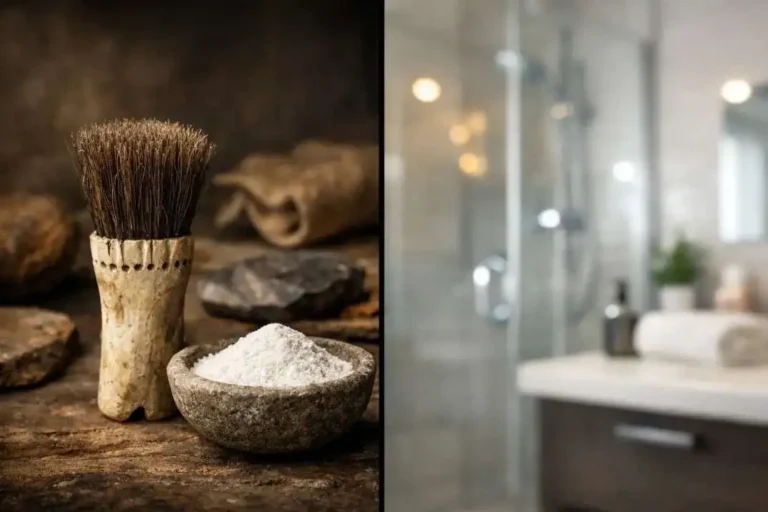
That shift from soap-based to detergent-based shampoo in the 1930s is what really changed daily life. By the 1950s, hair-washing frequency had jumped from once a month to once a week in the average American household. By the 1970s, daily washing was common. What started as an Indian herbal ritual had become a global industry worth billions.
Shampoo Through the Ages — From Ancient to Modern
The arc from ancient Indian herbs to the shelves of a modern pharmacy is longer and stranger than most people expect. Shikakai pods and amla in 1500s India gave way to Sake Dean Mahomed’s steam baths in 1814. Those baths inspired European curiosity about intentional scalp care, which fed into the Victorian-era “shampoo” treatments offered in early 19th-century British barber shops — a vigorous scalp massage with warm water and crude soap.
By the early 1900s, hairdressers in Europe and America were developing their own shampoo formulas. Kasey Hebert is sometimes credited as one of the first American hairdressers to market a commercial shampoo product around 1898, though records are sparse. Hans Schwarzkopf’s 1927 powder version and Procter & Gamble’s 1934 Drene changed the chemistry permanently.
The 1960s and 70s brought the conditioning revolution — the “2-in-1” shampoo emerged in 1987 when Pert Plus hit shelves, developed by Procter & Gamble after years of R&D. Today the global shampoo market is valued at over $30 billion and contains thousands of varieties targeting everything from color-treated hair to dandruff to specific curl patterns.
Surprising Facts About Shampoo Most People Don’t Know
Most people assume shampoo has always been a liquid. It hasn’t. For most of its Western history, “shampoo” meant a solid soap bar, a powder, or a paste — the transparent gel in a pump bottle is a relatively recent invention, only becoming standard after World War II when synthetic surfactant production scaled up cheaply.
Sake Dean Mahomed is also far less famous than he deserves to be. He was the first Indian author to publish a book in English (his 1794 The Travels of Dean Mahomet), opened Britain’s first Indian restaurant in 1810 in London, and then created what became the Western world’s first commercial shampoo service. He managed three major firsts in roughly 20 years — an achievement that gets startlingly little space in history books.
And then there’s this: the scalp naturally produces sebum, an oil that protects hair from breaking. The modern obsession with daily shampooing — aggressive marketing from the 1950s onward pushed the idea that daily washing was necessary — actually stripped scalps of this protection for millions of people. Dermatologists today largely agree that most people wash their hair more often than they need to. The ancient Indian approach of less-frequent, herb-based cleansing was, in many ways, closer to what modern trichology recommends.
🧴 Frequently Asked Questions — The History of Shampoo
Sake Dean Mahomed is widely credited with introducing shampoo to the Western world. In 1814, he opened a bathhouse in Brighton, England offering Indian herbal hair-cleansing treatments. However, the practice itself originated in India centuries earlier, using natural ingredients like shikakai and amla.
People used early forms of shampoo thousands of years ago. Ancient Indian texts from the Mauryan Empire mention the use of boiled soapberries (ritha) for hair cleansing. This means organized hair washing existed long before European travelers documented the practice in the eighteenth century.
Before modern formulas, people used ordinary bar soap made from animal fat and lye. Other cultures relied on natural cleansing agents like clay, wood ash, vinegar, beer, or plain water mixed with botanical oils to manage oil buildup on their scalps.
The word comes from the Hindi word champoo, which means to massage, knead, or press the scalp. British traders adapted the term during the colonial era to describe the luxurious Indian practice of herbal head massages and hair washing.
German pharmacist Hans Schwarzkopf invented the first liquid shampoo in 1927. His breakthrough formula eliminated the need for messy powders and harsh soaps, making hair washing much faster and safer for consumers worldwide.
Modern shampoo was invented because traditional lye soap left a dull, sticky residue on the hair and irritated the skin. Chemists wanted to create a specialized product that dissolved easily, cleaned effectively, and left hair soft without requiring acidic rinses.
Shampoo originated in India, where herbal hair-washing rituals using plants like amla and reetha date back to at least the 1500s. The practice traveled to Britain through Sake Dean Mahomed in the early 1800s and was eventually commercialized in liquid form by German chemist Hans Schwarzkopf in 1927.
Conclusion
From the ancient, fragrant rituals of India to the bustling bathhouses of Georgian England, the story of hair washing is a remarkable tale of cultural exchange. Sake Dean Mahomed and Hans Schwarzkopf transformed a laborious monthly chore into an effortless daily luxury. Their brilliance rescued us from sticky lye soaps and itchy scalps, forever altering how we present ourselves to the world. Next time you enjoy a rich, fragrant lather in the shower, you will know exactly who to thank for that refreshing moment.
Are you curious about how our ancestors managed other parts of their daily routines without modern technology? Head over to read about How Did People Light Their Homes Before Electricity? or explore How Did People Travel Before Cars.